
Northampton County Commercial Security Planning Hub
Northampton County Commercial Security Planning Hub
Security planning for a Northampton County commercial property begins with its entrances, working hours, staff access, storage areas, and after-hours activity.
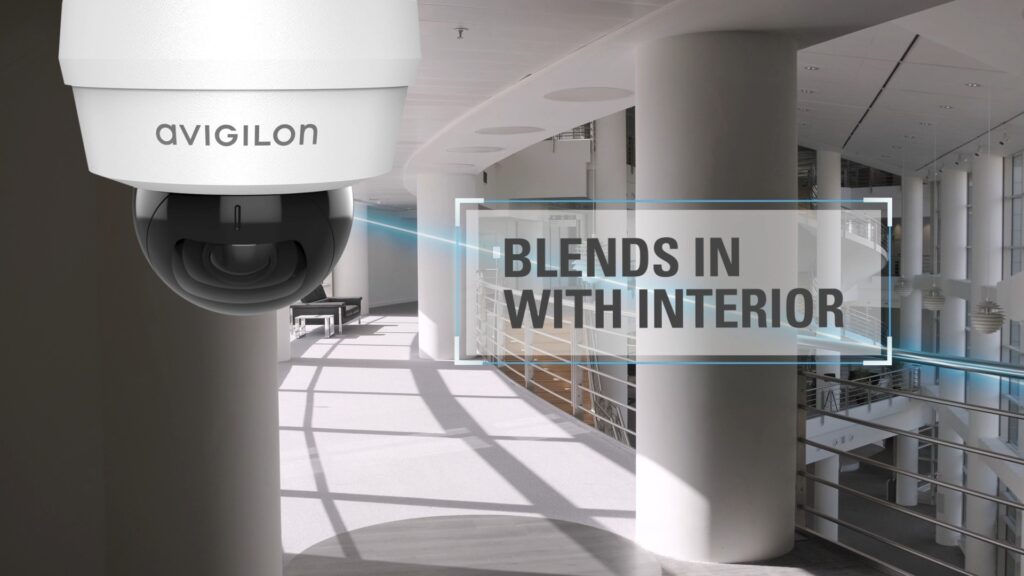
Use this county planning guide to organize the questions your facility team should answer before choosing equipment. The planning library provides separate guides for cameras, controlled doors, alarms, and integrated systems.
Security Systems Should Match the Property
A good commercial security system is not a generic package. A small office, a warehouse, a healthcare facility, a contractor yard, and a multi-tenant commercial building all create different risks and operating conditions. The right system should match the layout of the building, the way people move through the site, the hours of operation, and the parts of the property where visibility or control matter most.
Some Northampton County properties need better camera coverage at entrances and parking lots. Others need stronger control over employee doors and restricted areas. Some need after-hours intrusion protection. Others need a more complete system that ties cameras, alarms, access control, and remote visibility together.
Compare the Main Security Planning Topics
Video Surveillance and Security Cameras
Commercial surveillance helps businesses improve visibility, document incidents, and review activity at entrances, parking areas, service lanes, receiving areas, hallways, storage spaces, and other key parts of the property. A properly designed camera system should help management answer real questions after an incident instead of creating more blind spots and frustration.
The video surveillance planning guide explains the coverage and recording decisions to review for your property.
Access Control and Door Security
Many businesses need more than keys. Access control helps manage who can enter the building, when doors should unlock, which openings should stay restricted, and how entry activity is documented. This is especially important for employee entrances, rear doors, interior restricted spaces, offices, storage rooms, and other areas that need stronger accountability.
The access control planning guide helps you organize doors, user permissions, and entry schedules.
Commercial Alarm Systems
Intrusion alarms remain an important part of after-hours protection for many Northampton County properties. Alarm coverage is often built around entry doors, glass, motion-sensitive areas, storage sections, offices, and other parts of the building that need stronger protection during evenings, weekends, and holidays.
The intrusion alarm planning guide helps frame detection coverage and notification questions.
Remote Monitoring and Integrated Security
Some properties need more than local recording or a basic alarm. They need better off-site visibility, faster incident verification, and stronger oversight when the building is closed or lightly staffed. In those cases, cameras, alarms, access control, and remote visibility often work best when planned together.
The security integration planning guide explains how to define event workflows and test proposed connections between systems.
Adapt the Plan to the Property Type
For an office, begin with employee and visitor entrances. At a warehouse, also review receiving, loading areas, vehicle movement, and shift changes. At a shared commercial property, document which spaces belong to each tenant and who manages common areas.
Each type of property should be approached differently. A healthcare office does not need the same security layout as a warehouse. A contractor property does not create the same exposure points as a business park or a manufacturing facility. The system should fit the property instead of forcing every site into the same approach.
Commercial Security Priorities Across Northampton County
Security planning across Northampton County often centers on a few recurring concerns. Businesses want better visibility at entrances and parking areas. Door permissions and after-hours protection also matter. When theft, damage, or unauthorized access occurs, useful records help staff review what happened. The system should be manageable during normal daily operations.
That is why better security planning should start with the building, the workflow, the exposure points, and the decision-makers who need to use the system afterward.
Account for the Site’s Local Conditions
Facilities in Easton, Bethlehem, Nazareth, and other Northampton County communities can have very different layouts and operating patterns. Record the actual site conditions, nearby access routes, delivery activity, lighting, and available network connections. Confirm local review and approval requirements with the appropriate professionals before finalizing a scope.
Why Businesses Upgrade Commercial Security Systems
Most businesses upgrade security because the current system is incomplete, outdated, difficult to manage, or no longer aligned with how the property operates. Common problems include poor camera images, too many untracked keys, or gaps in alarm coverage. Separate systems may also leave staff without a clear view of an event.
A better commercial security system improves visibility, control, accountability, and incident review while making the overall setup more useful for day-to-day management.
Prepare a Useful Project Brief
Bring a floor plan or entrance list, your current equipment inventory, and a short description of the problems staff encounter. Identify the person responsible for day-to-day operation and the people who approve changes. Separate immediate concerns from later expansion so the discussion stays focused.
For each proposed improvement, ask what will change, which existing equipment can remain, how the result will be tested, and what training or ongoing support is included.
Northampton County Security Planning Questions
Which property types can use this guide?
Offices, warehouses, manufacturing facilities, healthcare properties, contractor shops, and shared commercial buildings can use these questions as a starting point. The final plan must reflect the individual property and the people who use it.
Do I need cameras, access control, and alarms together?
Not every property needs every system at once. Some businesses need better surveillance first. Others need stronger door control or better after-hours intrusion protection. The right solution depends on the building, the hours, and the exposure points.
Can older security equipment remain in an upgrade?
Some equipment may remain useful. Record its make, model, condition, software version, and support status. Ask a qualified provider to explain which components can stay, which need changes, and how compatibility will be tested.
What should a warehouse or industrial facility add to the brief?
Include shifts, delivery schedules, loading areas, outdoor storage, vehicle routes, and restricted operating spaces. Identify downtime limits and the staff who must coordinate work around production or receiving activity.
Can commercial security systems be monitored remotely?
Yes. Many modern systems allow authorized users to review live and recorded activity remotely and improve visibility when they are off site.
For property-specific design, implementation, monitoring, and service, visit Lehigh Valley commercial security hub from Northeast Remote Surveillance and Alarm, LLC.