
Berks County Commercial Security Planning Guide
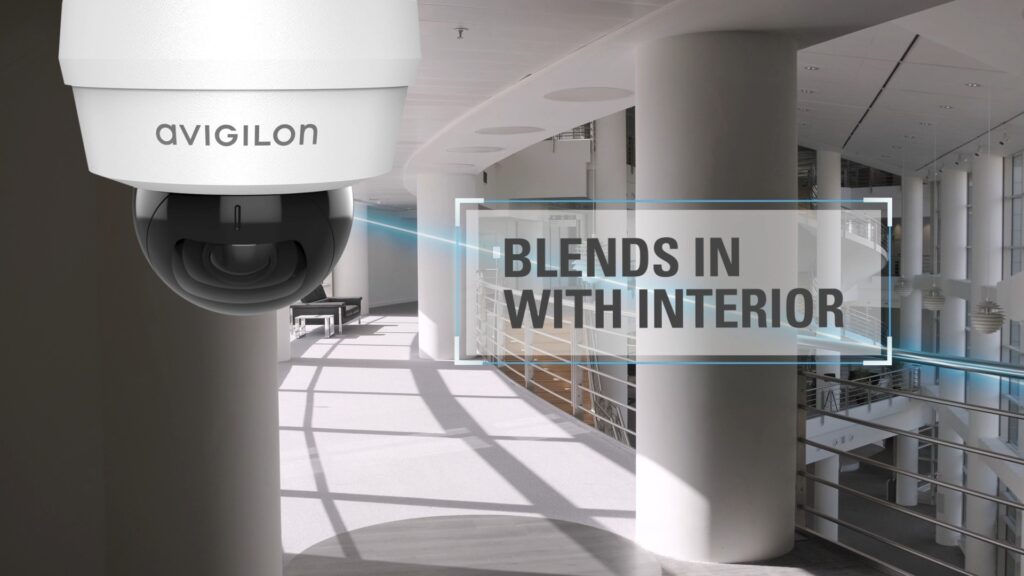
Use this educational guide to define a Berks County commercial security project before requesting equipment prices or provider proposals. Start with the property, daily operations, events that matter, and the people responsible for response. A clear brief helps owners compare options on equal terms.
Start With the Facility and Its Operations
Berks County projects include offices, warehouses, manufacturing plants, distribution centers, cold-storage operations, retail properties, schools, contractor yards, and multi-building sites. Properties in Reading, Wyomissing, West Reading, Kutztown, Hamburg, Birdsboro, Boyertown, Fleetwood, and Morgantown can have different traffic, construction, communications, and operating patterns. A downtown storefront, a multi-tenant office, a rural yard, and an interstate distribution property should not receive the same scope.
- Record building use, operating hours, shifts, visitors, contractors, deliveries, and vehicle movement.
- Mark public, employee, delivery, vehicle, and emergency-response entrances.
- Identify docks, yards, gates, parking, production, storage, offices, utility rooms, and restricted areas.
- List known incidents, insurance requirements, and evidence needs.
- Inventory existing cameras, alarms, access systems, cabling, networks, accounts, warranties, and service problems.
Define Outcomes Before Products
Every proposed device should solve a named problem. Video may support live awareness, incident review, loading documentation, vehicle identification, or perimeter assessment. Access control may manage employees, visitors, contractors, schedules, or restricted doors. Intrusion detection may protect openings, interior zones, panic locations, and selected facility conditions. Monitoring should follow documented events, contacts, schedules, and escalation instructions.
Avoid phrases such as “complete coverage” unless the proposal includes a drawing, view description, device schedule, retention assumption, and response workflow. An overview image can show that an event occurred; a focused identification view is designed to show who or what was involved.
Plan Docks, Yards, Gates, and Parking
Industrial and logistics properties need coordinated planning beyond the building. Review truck approaches, trailer parking, loading positions, pedestrian routes, gate queues, fencing, lighting, blind areas, and after-hours activity. If license-plate or driver detail is required, define the lane, direction, speed, lighting, and capture point instead of relying on a general overview camera.
Assess Infrastructure Readiness
Connected security depends on suitable power, pathways, copper or fiber cabling, switching, wireless links, racks, backup power, internet service, time synchronization, account ownership, and cybersecurity controls. Multi-building properties may need a documented connectivity plan. Remote gates or undeveloped areas may require engineered solar power, battery capacity, cellular communications, environmental protection, and a maintenance strategy.
Existing equipment should be tested for condition, ownership, compatibility, capacity, firmware, account access, documentation, and future support before reuse is promised. Record which devices are owned, leased, cloud-managed, locked to a provider, or approaching end of support.
Set Evidence and Retention Requirements
Decide what must be visible, how long recordings and event records should remain available, who can retrieve them, and how exports will be handled. Retention changes with camera count, resolution, frame rate, motion, compression, storage design, and recording schedule. Ask every bidder to document the assumptions behind its estimate.
Compare Proposals on Equal Terms
- Device quantities, locations, intended outcomes, drawings, and exclusions.
- Recording, retention, monitoring, communications, licenses, applications, and recurring costs.
- Power, network, cabling, customer responsibilities, permits, and site-readiness assumptions.
- Testing, training, documentation, warranty, service response, and future expansion.
- Ownership of administrator accounts, programming records, drawings, passwords, and exported data.
Use an Acceptance Checklist
Before closeout, verify every agreed camera view, door event, alarm zone, notification, user role, schedule, and monitoring instruction. Test night performance, recording retrieval, exports, backup-power behavior, remote access, and administrator accounts. Collect labeling, as-built drawings, programming records, training materials, warranty details, license terms, and support contacts. Record unresolved items with an owner and due date.
Owner Planning Worksheet
- What incidents or operational questions must the system address?
- Which people, doors, vehicles, assets, and transactions require documentation?
- Who receives each event, and what action should follow?
- What infrastructure can be verified and reused?
- What records, training, ownership, and support must be delivered at closeout?
Berks County Project Support
This page is an early-stage planning resource, not an installation proposal. Owners of qualifying warehouses, manufacturers, distribution centers, industrial parks, cold-storage operations, and other commercial properties can continue to the Berks County commercial security hub from Northeast Remote Surveillance and Alarm, LLC when ready for site-specific design and delivery support.