
Allentown Commercial Security Planning Hub
Commercial security planning in Allentown, Pennsylvania should begin with the property and its daily operation—not with a predetermined number of cameras, card readers, alarm devices, or other products.
A warehouse operating several shifts has different security requirements from a professional office, medical facility, manufacturing plant, retail business, multi-tenant property, or fenced contractor yard. Even buildings of similar size may require very different approaches depending on employee movement, visitor traffic, loading activity, restricted areas, exterior exposure, operating hours, and existing security infrastructure.
This guide explains the major issues businesses should evaluate when planning, upgrading, or taking over a commercial security system.
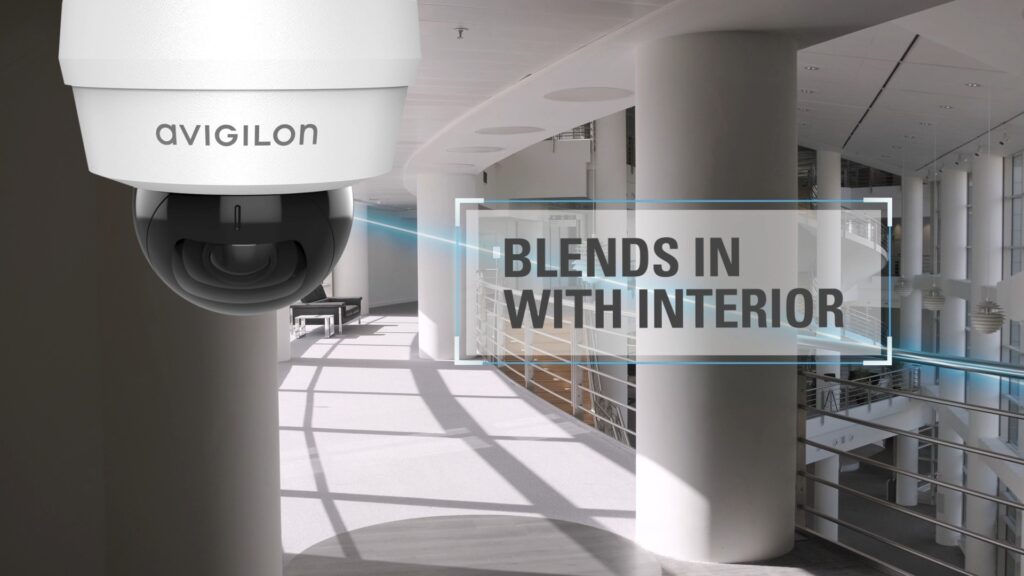
Start With the Facility and Its Operations
Before selecting equipment, identify what the organization actually needs to see, control, detect, communicate, document, and manage.
A commercial security assessment may consider:
- Building layout and occupancy
- Normal operating hours
- Employee shifts
- Public and employee entrances
- Service and delivery doors
- Loading docks and receiving areas
- Parking lots and pedestrian approaches
- Vehicle gates and fenced yards
- Warehouses and production areas
- Inventory and equipment rooms
- Offices and tenant spaces
- Visitors, contractors, vendors, and temporary workers
- After-hours staffing
- Existing cameras, alarms, access control, and intercoms
- Network, power, cabling, and fiber infrastructure
- Future renovations, additions, and additional locations
This planning process helps prevent unnecessary equipment while identifying areas where weak coverage, uncontrolled entry, poor documentation, or aging infrastructure may create problems.
Video Surveillance Planning
Commercial video surveillance should begin with the purpose of each camera.
Some cameras may provide a general overview of a lobby, warehouse aisle, parking area, loading dock, or exterior yard. Other locations may require greater detail for reviewing people, vehicles, transactions, or incidents.
Planning considerations can include:
- Camera location and field of view
- Day and nighttime lighting
- Image detail
- Recording resolution
- Video retention
- Remote viewing
- Evidence export
- Network bandwidth
- Recording-server or cloud requirements
- Exterior weather conditions
- Future camera expansion
A camera should be installed because it supports a defined operational objective—not simply because a mounting location is available.
Commercial Access Control
Access control allows businesses to manage who may enter selected doors and when access is permitted.
A properly planned commercial system may include:
- Cards or key fobs
- Mobile credentials
- Readers
- Controllers
- Access schedules
- User groups
- Door monitoring
- Electronic locking hardware
- Visitor entry
- Controlled gates
Permission design is especially important at properties with multiple departments, employee shifts, tenants, contractors, cleaning personnel, or restricted spaces.
Employee turnover should also be considered. Electronic credentials can usually be deactivated when employment or an assignment ends, reducing dependence on mechanical-key replacement.
Intrusion Alarm Planning
Commercial intrusion systems may protect doors, overhead doors, windows, interior spaces, and other selected areas when a facility is closed or lightly occupied.
Planning may involve:
- Door contacts
- Interior detection
- Glass-break detection
- Alarm partitions
- Individual user codes
- Panic or duress devices
- Communication paths
- Monitoring procedures
- Opening and closing schedules
- Video verification where appropriate
A warehouse may need different alarm zones from an office or retail building. Large properties may also benefit from partitions that allow certain sections to remain active while other areas are occupied.
Fire Alarm and Life-Safety Coordination
Commercial fire alarm work can involve detection, occupant notification, sprinkler supervision, monitoring communication, building-system interfaces, testing, documentation, and modernization.
Requirements depend on the occupancy, existing equipment, adopted codes, approved plans, permitting requirements, and the Authority Having Jurisdiction.
Security equipment should also be coordinated carefully when it affects doors, emergency egress, automatic operators, elevators, HVAC equipment, or other life-safety functions.
Visitor Entry and Intercom Systems
A locked entrance still needs a practical process for visitors, vendors, delivery personnel, and contractors.
Commercial visitor-entry systems may include:
- Audio intercoms
- Video intercoms
- Reception answering
- Mobile answering
- Tenant directories
- Authorized door release
- Gate communication
- After-hours call routing
The system should define who receives a visitor call, who has permission to release the entrance, and what happens when the normal recipient is unavailable.
Warehouses and industrial sites may require different visitor procedures from offices because deliveries, drivers, contractors, and service personnel may arrive through separate entrances.
Security Planning by Property Type
Warehouses and Distribution Facilities
Warehouse security may involve employee entrances, dock doors, shipping offices, inventory areas, truck courts, trailers, parking lots, gates, temporary labor, multiple shifts, and large exterior areas.
Changing inventory, racking, forklifts, long camera distances, overhead doors, and frequent staffing changes can all affect security design.
Manufacturing Facilities
Manufacturing sites may require security around production-support areas, raw materials, finished products, maintenance rooms, tool storage, employee entrances, shipping areas, parking, and exterior equipment.
Dust, heat, vibration, machinery, high ceilings, and continuous operations can affect equipment selection.
Offices and Multi-Tenant Buildings
Office properties may require protection around public entrances, reception areas, tenant suites, employee doors, shared corridors, records rooms, server rooms, parking areas, and delivery entrances.
Multi-tenant buildings should clearly define which systems are controlled by property management and which functions individual tenants may administer.
Retail and Customer-Facing Properties
Retail and service businesses may require visibility around entrances, sales areas, registers, stockrooms, employee doors, parking areas, deliveries, and rear service entrances.
The objective should be useful incident documentation and protection without creating unnecessary complexity.
Contractor Yards and Exterior Properties
Fleet lots, contractor yards, fenced industrial properties, and equipment-storage sites may need gate control, perimeter cameras, vehicle documentation, exterior lighting, remote monitoring, wireless communication, fiber, cellular connections, and protected power.
Upgrading an Existing Security System
Older equipment does not automatically need to be replaced.
Before beginning a modernization project, evaluate whether existing:
- Cameras
- Recorders
- Readers and controllers
- Alarm equipment
- Intercoms
- Cabling
- Fiber
- Network switches
- Power supplies
- Software
- Licensing
- Monitoring accounts
can be retained or reused.
Reuse should depend on condition, compatibility, manufacturer support, cybersecurity, licensing, account ownership, performance, and future requirements.
In some cases, the correct project is a phased upgrade rather than complete replacement.
Network, Cabling, Fiber, and Power
Modern security systems increasingly depend on the infrastructure behind the devices.
Commercial projects may require:
- Category cabling
- Fiber
- PoE switches
- Network segmentation
- Equipment racks
- Wireless building links
- UPS backup
- Surge protection
- Outdoor-rated pathways
- Cellular communication
- Device labeling
- Network documentation
A detached building, parking area, gate, warehouse, or large industrial facility may require significantly different infrastructure from a small office.
Future expansion should be considered before every available switch port, fiber strand, controller input, or power-supply output is consumed.
Monitoring and Response Procedures
A monitored system is only as useful as the response plan behind it.
Businesses should establish:
- Current contact lists
- Signal priorities
- Opening and closing schedules
- Dispatch procedures
- Escalation instructions
- Authorized users
- After-hours responsibilities
- Testing procedures
Remote video monitoring may add operator review or visual verification to selected camera events, while intrusion and fire alarm systems have their own monitoring and response requirements.
The important question is not simply whether an event can be detected. The organization should know who receives the information and what that person is expected to do.
Testing, Documentation, and Turnover
A commercial security project should not end when the equipment powers on.
Commissioning may include testing:
- Video recording and playback
- Camera views
- Credential permissions
- Door operation
- Alarm signals
- Monitoring communication
- Intercom calls
- Remote release
- Gate functions
- Backup power
- Network interruption behavior
Authorized customer personnel should also receive appropriate training.
System documentation may include device names, camera and door locations, credential groups, alarm zones, administrator accounts, licensing, network information, power-supply locations, monitoring contacts, and service information.
A completed system should be understandable and supportable by the organization that owns it.
Planning the Next Commercial Security Project in Allentown
The strongest commercial-security strategy is usually not the system with the greatest number of devices. It is the system that provides useful visibility, appropriate access control, dependable detection, clear communication, practical monitoring, supportable infrastructure, and room for future growth.
Businesses planning a new planning, expansion, upgrade, retrofit, or takeover can use the Northeast Remote Surveillance and Alarm resource for commercial and industrial security systems in Allentown, PA for detailed local service planning.