
Commercial Access Control Installation
Strategies, Benefits, and Best Practices with Northeast Remote Surveillance and Alarm, LLC
Commercial Access Control Installation by Northeast Remote Surveillance and Alarm, LLC (NRSEC) In an era where business security needs extend far beyond simple locks and keys, commercial access control systems have become essential for safeguarding people, property, and operations. These systems are not just a component of modern security — they are the foundation for managing who enters your facilities, when they enter, and what they can access once inside. A professionally designed and installed access control system increases safety, accountability, regulatory compliance, and operational efficiency in commercial environments of every size.
Commercial Access Control Installation
Commercial Access Control Installation by Northeast Remote Surveillance and Alarm, LLC (NRSEC) brings decades of specialist experience to commercial access control installation across Pennsylvania, New Jersey, Delaware, and surrounding markets, customizing integrated solutions that meet the unique security demands of businesses, industrial facilities, government sites, and educational campuses. (Northeast Remote Surveillance)
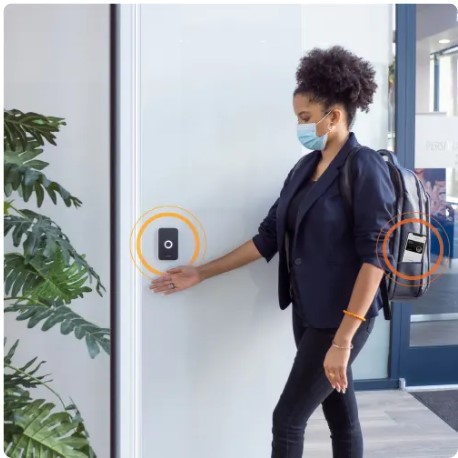
What Is Commercial Access Control Installation?
At its core, access control regulates who is allowed to enter specific areas, buildings, and facilities — and under what conditions. In commercial settings, access control systems go beyond traditional locks by using electronic credentials, biometric identifiers, digital keys, and integrated software to manage access permissions. Unlike old‑fashioned keys that can be lost, duplicated, or misused, modern access control gives organizations fine‑grained control and real‑time oversight over entry and exit points. (NERSA)
A fully implemented access control solution typically includes:
- Credential readers (keycards, key fobs, PIN pads, biometrics)
- Controlled electric locks and strikes
- Access control panels and controllers
- Management software and audit logging
- Integration with surveillance, alarms, and emergency systems
Professionals like NRSEC design systems that may also include advanced capabilities such as mobile credentialing, remote access management, and integration with other security layers to create a unified defense strategy. (nesecurity1.com)
Why Commercial Access Control Installation Matters for Modern Businesses
Commercial access control is one of the most critical investments a business can make. Its importance continues to grow as enterprises face evolving physical security threats, stricter regulatory requirements, and increasing demand for operational oversight. Below are the major business drivers behind adopting professional access control installations:
1. Enhanced Security and Restricted Access
Traditional locks offer only a basic deterrent, but electronic access control systems limit access to authorized personnel only. They prevent unauthorized entry into key areas like:
- Executive offices
- Financial or sensitive data centers
- Storage and distribution zones
- Healthcare facilities
- Research and development labs
With credentialed access, only approved individuals are given entry rights, significantly reducing the risk of theft, vandalism, or workplace safety incidents.
2. Detailed Audit Trails and Accountability
One of the most powerful features of access control is the audit trail. Each time a credential is used — whether successful or denied — the system records a time‑stamped entry event. These logs are critical for:
- Investigating security incidents
- Verifying who accessed restricted or high‑risk zones
- Providing documented accountability to stakeholders
This level of visibility is invaluable for corporate compliance audits or post‑incident reviews.
3. Integration With Other Security Technologies
Best‑in‑class access control from providers like NRSEC is integrated with other systems such as:
- Video surveillance — for video‑verified access events
- Intrusion alarms — to trigger alerts on suspicious attempts
- Fire and life safety systems — to automate emergency protocols
These integrated controls deliver a comprehensive security posture rather than isolated devices operating independently.
4. Remote Management and Flexibility
Modern systems allow administrators to manage access rights from a centralized dashboard or even remotely via secure apps. This flexibility dramatically streamlines security workflow, eliminates the need for on‑site credential resets, and supports multi‑site control.
5. Compliance With Regulations
In many industries — such as healthcare, government, and finance — security controls are tied to regulatory compliance requirements. Electronic access control helps organizations meet rules around:
- Protected data
- Restricted physical areas
- Employee privacy and accountability
Professional deployment ensures these systems align with key standards.
Key Components of Commercial Access Control Installation
A robust access control solution is more than just hardware — it’s a networked system comprising multiple components that must work together seamlessly.
Credential Readers
Credential readers capture the identity of a user and send it to the access control system for verification. Common formats include:
- Proximity cards and key fobs
- PIN keypads
- Biometrics (fingerprint, retina, or facial recognition)
- Mobile credentials (smartphone‑based)
Each method offers varying levels of security, with biometric and mobile credentials typically providing the highest assurance.
Controllers and Panels
These are the control brains of the system. They receive credential inputs, decide whether access should be granted, and trigger the appropriate lock or door mechanism. The architecture may be:
- Single‑door controllers for small deployments
- Multi‑door networks for commercial buildings
- Enterprise systems that span multiple locations
NRSEC’s installations are tailored to each client’s environment, ensuring scalability and adaptability. (Access Control Installer)
Electric Locks and Strikes
Physical hardware installed at doors and entry points receives signals from the access control system. Types include:
- Magnetic locks — strong and reliable for high‑traffic doors
- Electric strikes — retrofit into existing door frames
- Motorized locks — for secure interior zones
These devices must be installed to local fire and building codes, a task NRSEC handles in every installation. (nesecurity1.com)
Management Software
Software provides the user interface for system administrators. It enables:
- Defining user credentials and access rights
- Scheduling access windows
- Generating activity reports
- Setting up alerts and automated actions
Software platforms vary from on‑site servers to cloud‑based systems that support remote management. (nesecurity1.com)
The Commercial Access Control Installation Process
Installing an access control system requires a strategic approach — it’s not a plug‑and‑play DIY project. A professional installation by a trained systems integrator like NRSEC follows a structured process:
1. Security Needs Assessment
The first step is a detailed assessment of your facility:
- Identify high‑risk zones
- Understand day‑to‑day traffic patterns
- Determine compliance obligations
- Evaluate existing infrastructure
This discovery phase informs the entire design and ensures the solution matches business needs. (Access Control Installer)
2. System Design and Specification
Based on the assessment, NRSEC engineers design a system architecture that defines:
- Number and types of readers
- Controller and software choices
- Credential formats
- Integration with other security systems
Every solution is tailored for scalability and future growth. (Access Control Installer)
3. Professional Installation and Wiring
Commercial systems involve low‑voltage wiring, network connections, and secure mounting of hardware. Qualified technicians ensure that installations:
- Meet electrical and building codes
- Are tested for reliability
- Are labeled and documented for future service
This step is critical for ongoing performance and system longevity. (Access Control Installer)
4. Configuration and Credential Enrollment
Once the system is physically in place, access permissions are configured. This includes:
- Loading user profiles
- Assigning credentials
- Setting access schedules
- Customizing alert preferences
This step transforms the hardware into a working security network. (Access Control Installer)
5. Testing and Optimization
Before going live, systems are thoroughly tested to ensure:
- Doors lock/unlock as expected
- Credentials activate correct zones
- Integration with alarms and video surveillance functions properly
Proper testing minimizes future service calls and maximizes uptime. (Access Control Installer)
6. Training and Support
Training for security personnel and administrators ensures the system is used effectively. Ongoing support plans help keep software updated and provide rapid service when needed. (Access Control Installer)
Advanced Commercial Access Control Installation Features
Beyond basic credential entry, modern commercial systems can include sophisticated capabilities:
Mobile Credentials
Many organizations are adopting mobile credentialing — using smartphones instead of physical cards. This reduces physical key costs and enhances convenience without sacrificing security.
Time‑of‑Day and Schedule Control
By restricting access based on schedules, businesses can:
- Limit after‑hours movement
- Restrict access during vacations or holidays
- Automatically revoke access outside designated times
These controls tighten security without manual intervention.
Visitor Management and Temporary Access
Temporary credentials can be issued for guests or contractors with expiration rules. This enhances visitor tracking and reduces unsecured access events.
Emergency Lockdown Capabilities
In emergency scenarios — like a security breach or active threat — the system can instantly lock down specific areas or the entire facility. This automated lockdown enhances safety and saves critical response time.
Choosing the Right Commercial Access Control Installation Partner
Selecting a professional and experienced access control integrator makes all the difference. Northeast Remote Surveillance and Alarm, LLC stands out for several reasons:
Industry Expertise and Experience
NRSEC has decades of experience installing commercial security solutions including access control, video surveillance, and integrated security systems across PA, NJ, and DE. (Northeast Remote Surveillance)
Commercial Access Control Installation Non‑Proprietary Solutions
Rather than locking clients into hard‑to‑service proprietary products, NRSEC focuses on commercial‑grade non‑proprietary technologies from industry leaders. This approach delivers:
- Lower long‑term total cost of ownership
- Flexibility in maintenance
- Easier future upgrades
This vendor‑agnostic strategy is a major advantage for long‑term clients. (Access Control Installer)
Customized Designs
No two businesses have identical security needs — and NRSEC designs systems to fit your environment, budget, and risk profile. Optimal solutions are developed for:
- Office complexes
- Corporate campuses
- Industrial facilities and warehousing
- Healthcare and educational institutions
- Government and critical infrastructure facilities (Northeast Remote Surveillance)
Commercial Access Control Installation – Comprehensive Integrated Capability
NRSEC does not install access control in isolation — they integrate it with video surveillance, intrusion alarms, environmental monitoring, and remote professional monitoring for a truly unified security platform. (nesecurity1.com)
Local Service and Support
With client service across multiple states, including Pennsylvania, NRSEC’s team provides localized installation, ongoing maintenance, and hands‑on support — ensuring systems run effectively for years. (Northeast Remote Surveillance)
Real‑World Commercial Access Control Installation Benefits for Businesses
When properly implemented, commercial access control delivers measurable business value:
Reduced Risk of Unauthorized Access
Cutting off unauthorized entry points protects assets and minimizes theft or vandalism losses.
Stronger Compliance Posture
Systems help businesses satisfy regulatory and audit requirements in healthcare, financial services, and government.
Enhanced Response in Emergencies
With instant lockdown and integration with alarms and surveillance, access control dramatically improves response times.
Operational Efficiency
Automating access schedules, credential updates, and monitoring reduces the need for security personnel to handle administrative tasks.
Cost Savings Over Time
While initial installation represents an investment, reduced rekeying, fewer security breaches, and lower staffing costs can deliver significant savings.
Commercial Access Control Installation Final Thoughts
In today’s evolving security landscape, commercial access control is no longer optional — it’s foundational. Businesses of all sizes gain peace of mind and operational strength from professional systems that protect people, property, and critical infrastructure.
For the most effective results, commercial access control should be:
- Professionally designed and installed
- Integrated with broader security technologies
- Configured for your business’s specific risks and needs
- Supported with ongoing service and training
Northeast Remote Surveillance and Alarm, LLC delivers industry‑leading access control solutions tailored to today’s commercial security challenges, backed by real experience and proven customer satisfaction across Pennsylvania, New Jersey, and Delaware. (Northeast Remote Surveillance)
📞 Start your access control project today — contact NRSEC at 1‑888‑344‑3846 for a consultation and custom quote. (nesecurity1.com)
Perfect! Here’s an expanded, SEO-rich FAQ section with 25 questions for your commercial access control cornerstone post. This is designed to improve Google ranking and cover nearly every aspect a potential client might search for.
Commercial Access Control Installation – Expanded FAQ (25 Questions)
1. What is commercial access control?
Commercial access control regulates who can enter specific areas of a business, using electronic credentials, biometric verification, or mobile devices. Unlike traditional locks, it provides audit trails, remote management, and integration with other security systems.
2. Why is access control important for businesses?
It protects people, property, and sensitive data; reduces unauthorized access; supports compliance with industry regulations; and allows management of multiple sites from a single platform.
3. What types of access control systems exist?
Common systems include:
- Keycards and fobs
- PIN pads
- Biometric scanners (fingerprint, retina, facial recognition)
- Mobile credentials
- Multi-factor authentication systems
4. Can access control integrate with video surveillance?
Yes. Integrated systems allow real-time verification, alerting for unauthorized access, and video audit trails tied to specific credential events.
5. How do I choose the right Commercial Access Control Installation for my business?
Consider factors like facility size, number of doors, employee volume, industry regulations, and integration needs. NRSEC customizes systems for each client’s unique requirements.
6. Can access control be used for multi-building campuses?
Absolutely. Enterprise-grade systems allow centralized management across multiple buildings or sites, with consistent credential policies and reporting.
7. What industries benefit most from commercial access control?
Industries include:
- Manufacturing
- Warehousing and logistics
- Healthcare
- Corporate offices
- Government facilities
- Educational institutions
8. Are commercial access control systems secure against hacking?
Yes, when properly installed and maintained. NRSEC uses encrypted communications, secure credentials, and network best practices to minimize cybersecurity risks.
9. Can access be restricted based on schedules or shifts?
Yes. Systems allow time-based access, limiting entry to authorized hours, reducing security risks during off-hours, weekends, or holidays.
10. Can I grant temporary access to visitors or contractors?
Yes. Temporary credentials can be issued with expiration rules, ideal for vendors, contractors, or short-term employees.
11. What is the difference between biometric and card-based access control?
Card-based systems rely on physical credentials, while biometric systems use unique physiological traits. Biometrics provide higher security and reduce the risk of lost or shared credentials.
12. How does mobile credentialing work?
Mobile credentials use smartphones with secure apps to authenticate entry. They often include encryption and multi-factor authentication, allowing remote management and immediate credential revocation.
13. What hardware is required for an access control system?
Hardware includes:
- Credential readers
- Electric locks or strikes
- Controllers/panels
- Network cabling (Cat6/Cat6A/fiber)
- Optional intercoms and emergency devices
14. Can access control systems be integrated with fire and life safety systems?
Yes. During emergencies, doors can automatically unlock, alarms can trigger, and access logs can help emergency response teams locate personnel.
15. How long does installation take?
Small installations may take a few days, while multi-building or complex industrial systems can take several weeks. NRSEC coordinates projects to minimize disruption.
16. Is ongoing support available after installation?
Yes. NRSEC provides maintenance, software updates, and technical support to ensure system reliability and security over time.
17. How do I manage multiple access points?
Management software allows centralized control of all access points, credential assignments, schedules, and reporting for every door or gate in the facility.
18. Can the system provide real-time alerts for unauthorized access?
Yes. Integrated systems can instantly notify security personnel of forced doors, tailgating, or other security breaches, enabling immediate response.
19. Can access control systems help reduce insurance premiums?
Many insurers recognize professionally installed and monitored access control as a risk-reduction measure, which can lead to lower premiums.
20. How does NRSEC ensure regulatory compliance?
NRSEC systems are designed to meet NFPA standards, Pennsylvania building codes, and industry-specific regulations, ensuring facilities are compliant and audit-ready.
21. Are access control systems scalable for future growth?
Yes. NRSEC designs systems with future expansion in mind, allowing additional doors, new buildings, or updated credential technologies to be added seamlessly.
22. Can access control be monitored remotely?
Yes. Remote monitoring allows administrators to manage credentials, view reports, and receive alerts via secure cloud or mobile platforms.
23. What reporting features are available?
Systems provide detailed logs of all access events, failed entry attempts, door status, and system health, supporting compliance, investigations, and operational efficiency.
24. What is the cost of commercial access control installation?
Costs vary based on facility size, number of access points, hardware, software features, and installation complexity. NRSEC provides a tailored quote after a professional site assessment.
25. How do I get a quote for commercial access control?
Contact Northeast Remote Surveillance and Alarm, LLC at 1-888-344-3846 or request a consultation online. NRSEC will assess your facility and create a custom solution tailored to your security needs.